True belonging is the ultimate measure of inclusive leadership effectiveness. It is the experience of being genuinely valued, respected, and included as a full member of the organizational community. Belonging is not produced by single events or symbolic gestures, however well-intentioned. Instead, belonging is built through the daily experience of being heard in meetings, recognized for contribution, respected for difference, and supported in bringing one’s authentic self to professional life.
Recognition Systems That Affirm Inclusion
Employee recognition is one of the most powerful—and most systematically mismanaged—tools for building a culture of belonging. Research consistently demonstrates that recognition has its greatest motivational and cultural impact when it is specific, timely, and genuinely connected to the individual’s actual contribution. It must communicate not merely that a person did something good, but that their specific capability and effort made a difference that the organization noticed and values.
To foster true belonging in inclusive organizations, recognition systems are designed to ensure that the employees who receive public acknowledgment for organizational achievements reflect the full diversity of those who contributed to them. Furthermore, the informal recognition that flows through senior leader attention, sponsorship, and developmental opportunity must not be concentrated among those who share the demographic and cultural profile of the existing leadership group. Executives who honestly examine who receives their developmental attention, public praise, sponsorship, and professional advocacy often discover disparities that reflect unconscious bias rather than equitable assessment of merit.
Cultural Celebration and Inclusive Holiday Practices
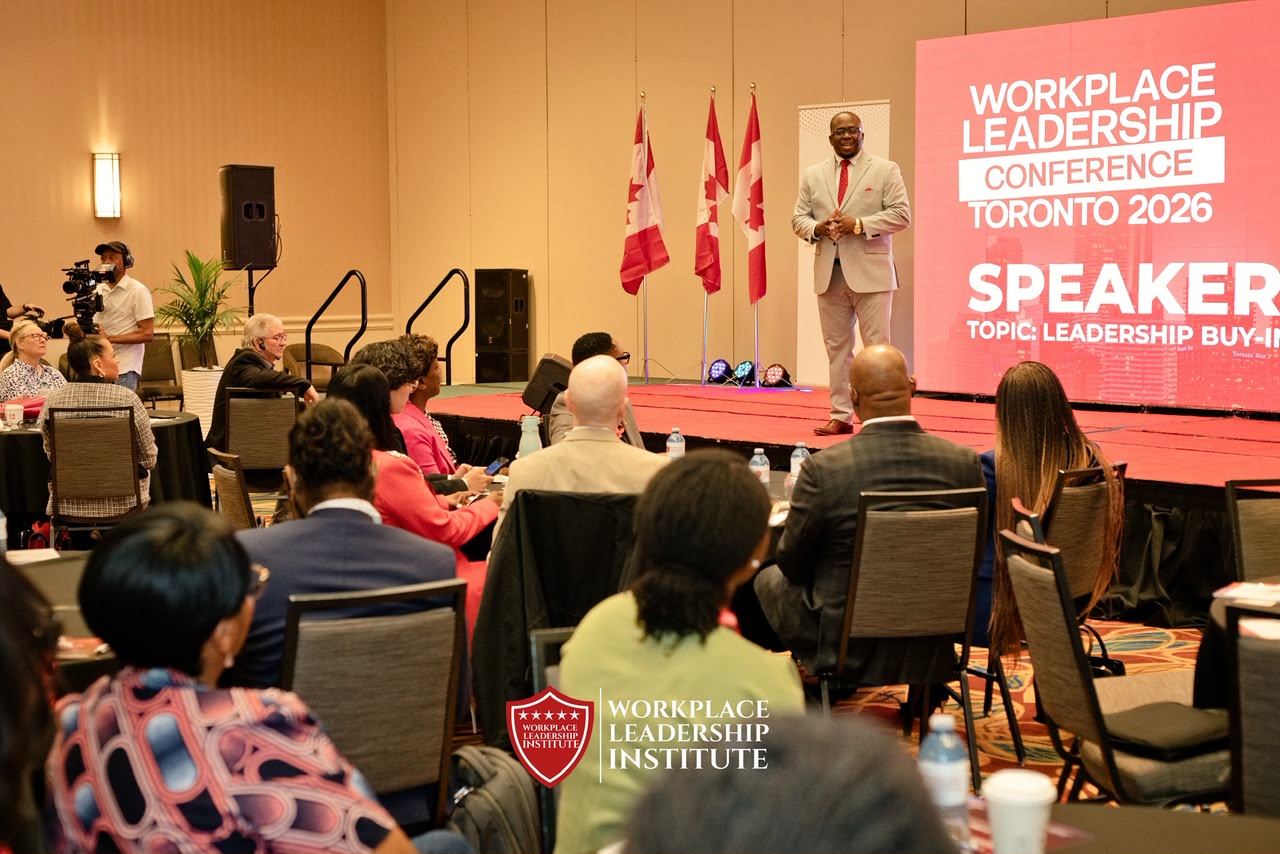
The calendar of a diverse organization reflects the diversity of its people, encompassing religious observances, cultural celebrations, and historical commemorations that span the full range of backgrounds represented in the workforce. Inclusive organizations treat this diversity as a cultural richness to be celebrated and engaged with. Building belonging means creating genuine organizational awareness of the significant dates and observances across the cultures represented in the workforce, creating space for employees to share and educate about their cultural traditions, and ensuring that organizational practices around time off, event scheduling, and holiday recognition are equitable across the full diversity of the organization.
For executives, the strategic significance of these practices lies in their cumulative cultural signal. Organizations that consistently recognize only the dominant culture’s calendar communicate, without intending to, that belonging is conditional on cultural conformity. Conversely, organizations that actively engage with and celebrate the cultural diversity of their workforce communicate that every culture represented in the organization is a valued dimension of its identity, strengthening every employee’s sense of belonging.
Intentional Inclusion: Making Commitment Operational
The distinction between organizations where belonging is genuinely embedded in culture and those where it exists primarily as aspiration is not the quality of the stated intention—it is the consistency of the intentional action. Intentional inclusion is the deliberate, systematic translation of inclusive values into specific organizational behaviors, processes, and decisions, repeated consistently enough that they reshape culture rather than supplementing it.
Establishing belonging at the executive level means designing meetings with structures that ensure equitable participation. It means examining the composition of high-visibility project teams and leadership development programs for the patterns that signal unintentional exclusion. It means building DEI metrics into the organizational performance management framework with the same accountability that applies to financial and operational metrics. It means making the difficult decisions that demonstrate that the organization’s commitment to inclusion and belonging is real rather than conditional. Finally, it means accepting that building an inclusive organization requires the ongoing discomfort of confronting the ways in which the current organization falls short of that standard.
For more practical strategies on leading diverse teams and creating an inclusive workplace culture where belonging thrives, get the book Better Managers, Better Workplace by Dr. Jamie Pajoel by CLICKING HERE