Team development is an intentional, ongoing process used by organizations to improve the efficiency and progress of a team working toward a common goal or mission. While team development happens naturally in many environments, structure is essential for organizations looking to scale, maintain cohesion, and drive long-term growth. To build a strong foundation, leaders must adopt an established team development framework—a structured approach describing the exact stages groups undergo on their journey to becoming high-performing units.
Although several frameworks exist—such as the Drexler-Sibbet model—the Tuckman model remains the most widely validated approach to team development. Originally postulated in 1965 by American organizational psychologist Bruce Tuckman, this approach guides leaders in fostering collaboration, managing conflict, and maximizing overall productivity.
The framework outlines five key stages of team development: forming, storming, norming, performing, and adjourning. Below is a detailed look at how each stage unfolds.
Stage 1: Forming
In the forming stage, team members have recently come together. At this point, interactions are polite but often cautious or distrustful. Because individual team members rarely know each other well, most direct communication flows through the leader.
Conversations in early team development tend to remain abstract, which can cause impatience among action-oriented individuals. The intellectual engagement and psychological safety required for deep, innovative contributions take time to establish.
- Leader Focus: Build trust between members and leadership early.
- Risk: Leaders who fail to invest heavily in this first phase of team development often pay a compounding price later, sometimes leaving their teams stuck in limbo.
Stage 2: Storming
Storming is the second phase of team development. However, conflict can emerge at any point in a team’s lifecycle, meaning this stage is rarely a one-time event.
During storming, healthy and unhealthy friction surface. Discussions become heated as participants bring up contending viewpoints, challenge task distribution, or debate individual roles. Team members frequently compete for dominance, leading to feelings of overwhelm, fear, or frustration.
- Common Pitfall: Leaders often attempt to restore harmony prematurely without addressing root conflicts. This mistake results in teams operating well below their full capacity, trapped between artificial cooperation and underlying tension.
- Opportunity: When managed effectively, storming reveals true team dynamics. Proper leadership intervention transforms this friction into mutual understanding and clear role definitions, driving successful team development.
Stage 3: Norming
Once a group reaches the norming phase of team development, it has resolved its primary internal tensions and established solid operating rules. Members clearly understand their individual responsibilities and align around shared objectives.
The environment becomes more open and collaborative. Individuals look to one another for assistance and constructive feedback. While functional, the team has not yet hit peak efficiency.
It is normal for teams to fluctuate between norming and storming as new tasks or challenges arise. Leaders should not view this back-and-forth movement as a failure, but rather as a natural aspect of team development that builds long-term resilience.
Stage 4: Performing
Highly effective groups reach the performing stage after navigating the complexities of earlier team development phases. At this level, members operate as a fluid, well-coordinated unit.
Because relationships are stable and psychological safety is high, members can focus on the big picture, think creatively, and take calculated risks to reach organizational targets.
To maintain this environment, leaders must:
- Invest in the continuous growth of individual members.
- Introduce strategically challenging responsibilities.
- Protect the underlying culture as external changes and new team members arrive.
Stage 5: Adjourning
In modern business environments, teams are frequently assembled for specific, project-based initiatives. The final stage of team development is adjourning, where a group disbands after completing its target mission.
This phase is often bittersweet, particularly for groups that formed strong bonds. Effective leaders manage this transition with care by:
- Formally recognizing individual and collective achievements.
- Documenting key learnings to share across the broader organization.
- Supporting smooth transitions into new roles or projects.
By honoring the completion of a project, leaders reinforce a healthy company culture where employees feel safe fully committing to future team development efforts.
Resources for Further Leadership Growth
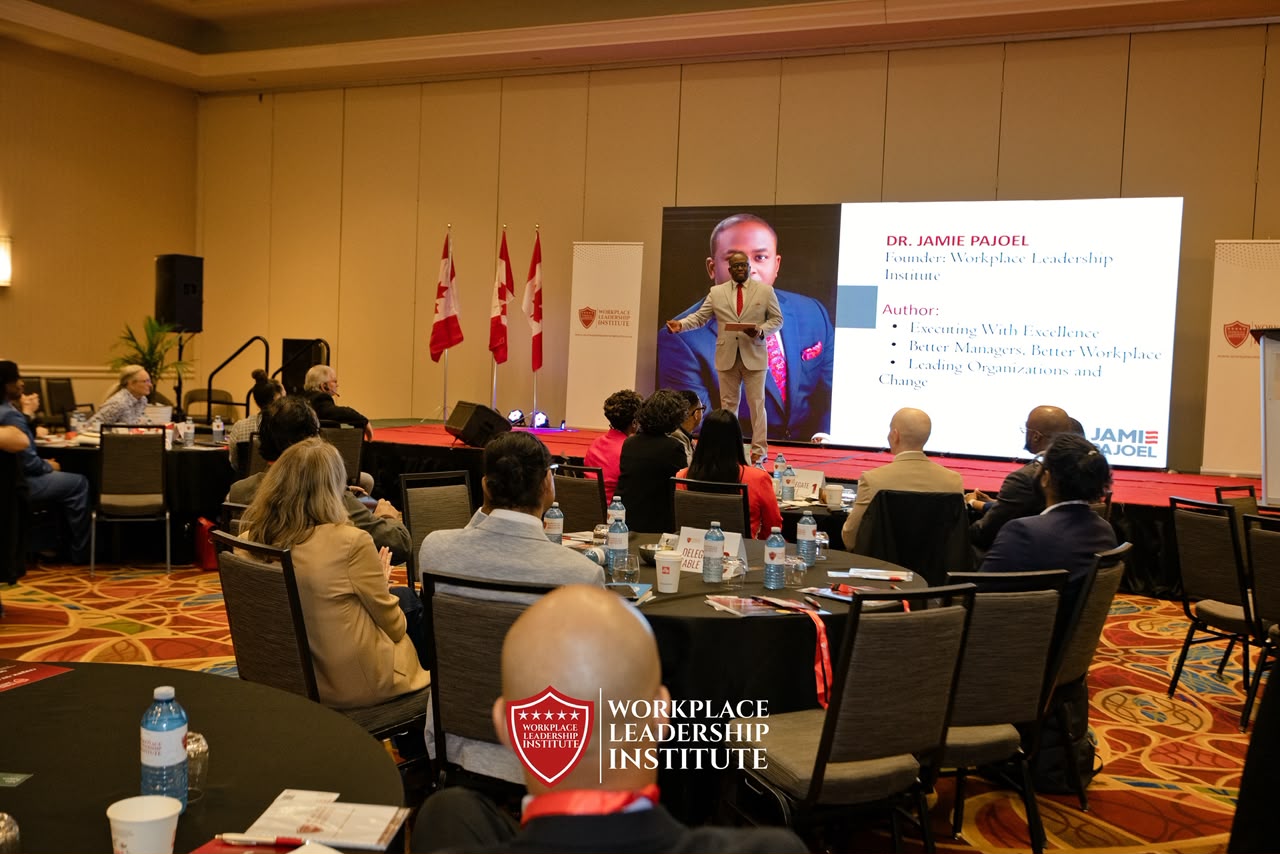
For more practical insights on building, leading, and sustaining high-performing teams, check out the book Better Managers, Better Workplace by Dr. Jamie Pajoel by CLICKING HERE