The research examined in the previous chapter—specifically Google’s Project Aristotle findings on psychological safety as the primary predictor of team performance—carries equal weight in the context of inclusive leadership. Psychological safety is not merely a team dynamic; it is the foundational cultural condition that determines whether organizational diversity drives genuine intellectual contribution or is suppressed by fear.
When psychological safety is low, underrepresented employees carry a compounded burden. Beyond standard interpersonal risk, they must navigate environments where their differences make them more visible, their mistakes more memorable, and their authority more frequently challenged. Without psychological safety, organizations experience the self-suppression of innovative perspectives and the eventual turnover of top talent.
Building psychological safety requires more than declaring inclusive values. Leaders must model psychological safety by demonstrating that different perspectives are welcomed, honest challenges are met with curiosity, and mistakes are treated as learning opportunities. Establishing psychological safety also relies on structural interaction norms that prevent dominant voices from silencing others and deliberate attentiveness to who is speaking versus who remains quiet.
Regular Check-Ins as Organizational Intelligence
One of the most effective tools for sustaining psychological safety and an inclusive culture is the regular, structured check-in. Pulse options like anonymous employee surveys, one-on-one meetings, employee resource group dialogues, and structured focus groups provide crucial intelligence that formal reporting structures miss.
The strategic value of these check-ins lies in sending a clear signal: leadership cares about employee experiences and will act on them. Gathering feedback without taking action undermines psychological safety, turning listening into a performative exercise that breeds disillusionment. Executives who close the feedback loop and communicate action plans build the trust necessary to maintain psychological safety over time.
Sensitivity Training and Intercultural Education
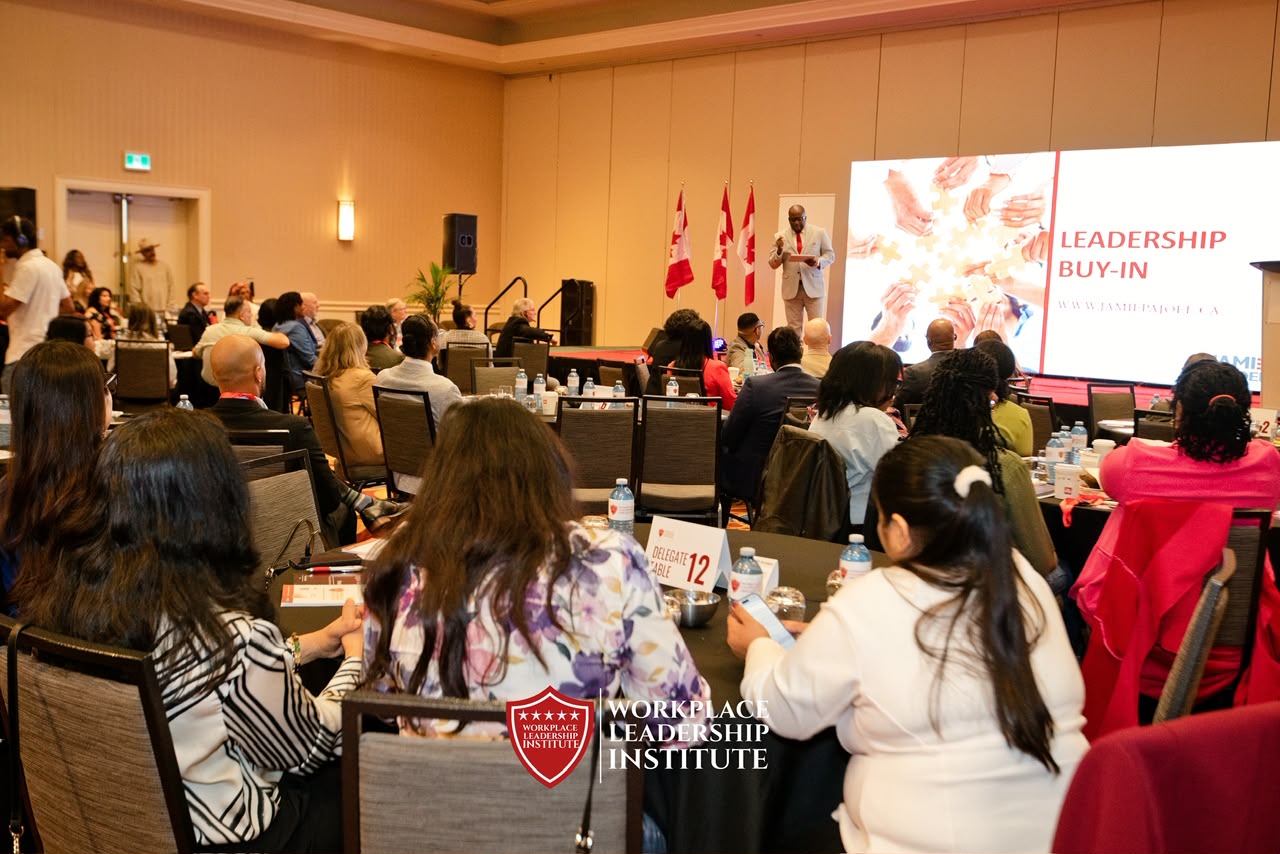
When properly embedded into development programs, sensitivity and intercultural awareness training strengthen psychological safety by helping employees engage constructively with workplace diversity. However, training isolated from the broader culture or treated as a mere compliance exercise yields minimal behavioral change and risks backlash.
To support psychological safety, executive-level intercultural education should stem from honest self-assessments of cultural intelligence, blind spots, and developmental edges. Blending practical coaching with genuine relationships and sustained engagement with diverse viewpoints builds a level of cultural understanding that classroom modules alone cannot replace.
Ensuring Safe Spaces and Authentic Expression
Inclusive organizations foster psychological safety by offering environments where employees can discuss identity, experience, and culture without fear of professional consequences. Employee resource groups (ERGs) are essential mechanisms for establishing psychological safety, providing community for underrepresented groups, and channeling critical feedback to leadership.
When leaders treat ERGs as strategic partners, resource them properly, and participate actively, they reinforce psychological safety and build an inclusive infrastructure that withstands leadership transitions.
For practical strategies on leading diverse teams, enhancing psychological safety, and creating an inclusive workplace culture, explore Better Managers, Better Workplace by Dr. Jamie Pajoel by CLICKING HERE